Do Marble Countertops Need To Be Sealed
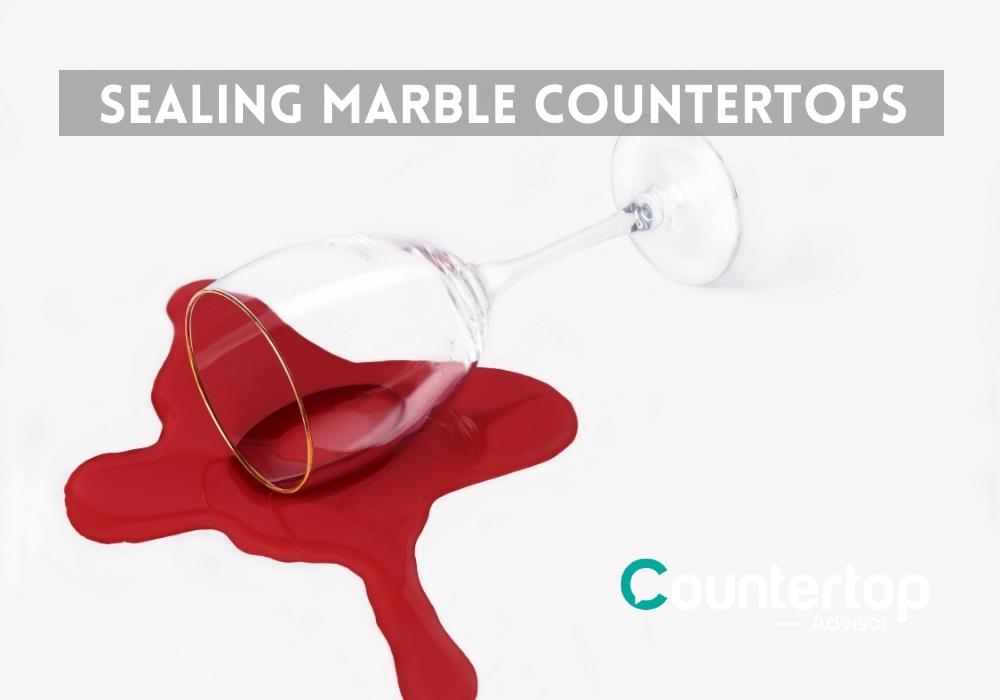
Yes, all marble countertops should be sealed. Sealing your marble countertops is an important maintenance task you should do about every 6 months to 1 year. If you do not perform this easy task you may learn that you will regret your marble countertop purchase. It is important to know the characteristics of marble and because of these characteristics, you need to choose the best marble countertop sealer available.What Is The Best Sealer For Marble Countertops
I have used many marble sealer products and have chosen the best marble sealers available to my clients. Most sealers are good enough for a short period of time but do not work long term. With that said you should just choose the best product up front even though it may cost a bit more. Dry-Treat Sealer is the best available sealer for people who have marble countertops. Dry-Treat penetrates the surface and allows the material to breathe. It will cover the surface but also the inside pores of your marble. Another great option is Akemi Nano Effect Sealer. Both products work extremely well and I personally prefer these two products for every natural stone countertop material.Can You Seal Marble Countertops Yourself
Yes, you can seal and reseal your own marble countertops on your own. The process is very simple and effective. In this article, I will detail the exact steps you should take to seal your marble countertops as a professional would. Note: I have been certified as a Dry-Treat professional by Dry-Treat themselves. I have gone through the necessary steps to become a certified applicator using Dry-Treat sealer. Following advice from a noncertified professional is strongly disadvised. Step 1. Wipe down your countertops using these disinfectant wipes to remove dust and debris. Step 2. Clean your marble countertops using Weiman Marble Cleaner. If you have denatured alcohol this works great also and will disinfect your marble countertops. Allow your countertop about an hour to dry. During this time please refrain from using your countertops for any reason. It is a great idea to clean your countertops the night before allowing an ample amount of time to fully dry before applying any sealer. Step 3. Apply Dry-Treat Sealer to your clean and dry countertops using a microfiber towel. DO NOT pour the sealer directly on your marble countertops. This will cause dark spots and may look uneven temporarily. Step 4. Apply the sealer evenly across the entire marble countertop surface. Be sure to apply more sealer to your microfiber towel as needed and be generous with the amount of sealer you are applying. Step 5. After you have covered your entire marble countertop surface allow 30 minutes for the sealer to penetrate the porous marble countertop material. Do not air dry or dry with a towel during this time. Step 6. Using a clean dry microfiber towel dry the marble countertop. You may need several clean dry microfiber towels to dry your entire marble countertop surface. Step 7. At this time you will want to repeat steps 1 through 6 once again. Sealing twice ensures that the sealer has penetrated the surface of your marble countertops and ensures your marble countertop is properly sealed. Once you have finished sealing your countertops allow 2 to 4 hours before using your countertops. You may need to use mild dish soap to clean any residue left from sealing your marble countertops. Be sure to wipe them dry with a clean dry cloth so there are no water spots.How Often Should You Seal Marble Countertops
You should seal your marble countertops at least once per year. Each household is different and each family uses their kitchen differently and may require more frequent sealing maintenance. Be sure to perform a water drop test on several areas of your marble countertops to see if they are still properly sealed. If the water beads up you are probably ok. If the water soaks into your marble then you probably need to seal them again. I also recommend sealing at least once per year regardless of the outcome of the water drop test.What Will Happen If You Don’t Seal Marble Countertops
If you do not seal your marble countertops you will likely start seeing etching, staining, and dull countertops. Marble will etch anyway but will even more so if the marble surface is not protected. Be very proactive about your marble countertop investment and take preventative cautions to avoid any issues in the future. Often, people choose a marble called Fantasy Brown and think they cannot hurt it due to the color of the marble material. That is far from true. Fantasy brown and other dark marble variations can and will stain also if not properly sealed.Final Thoughts
I hope that this article will help you protect your countertop investment giving you the exact steps I would personally take to ensure that your marble countertops are properly sealed. This information is of extreme importance and should be followed closely. If you have any questions or concerns please comment below or use the contact page to send me an email.Sealing dolomite follows similar principles to marble but with one important difference: dolomite is harder and slightly less porous. See my dolomite sealing walkthrough for the adjustments — especially around sealer selection.
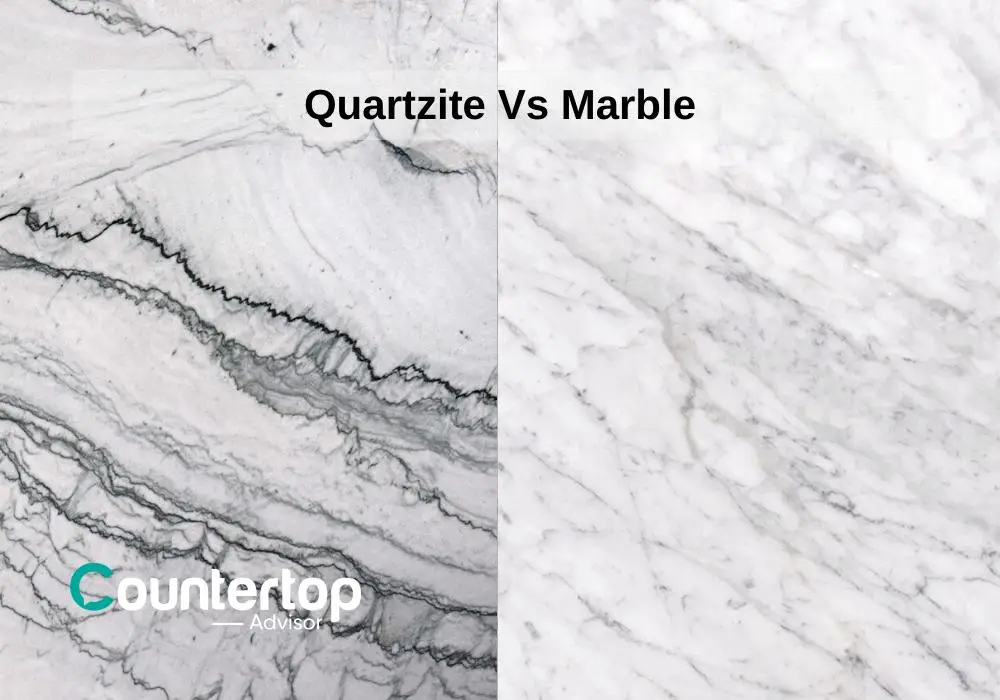
Deciding between marble and a harder lookalike? See my quartzite vs marble comparison — quartzite delivers a similar look with far better scratch and etch resistance.
For a full tour of white marble options before you seal one, see my white marble countertops guide — Carrara vs Calacatta and every major variety.
For specific marble picks suited to a bathroom, see my 5 best marbles for a bathroom vanity.