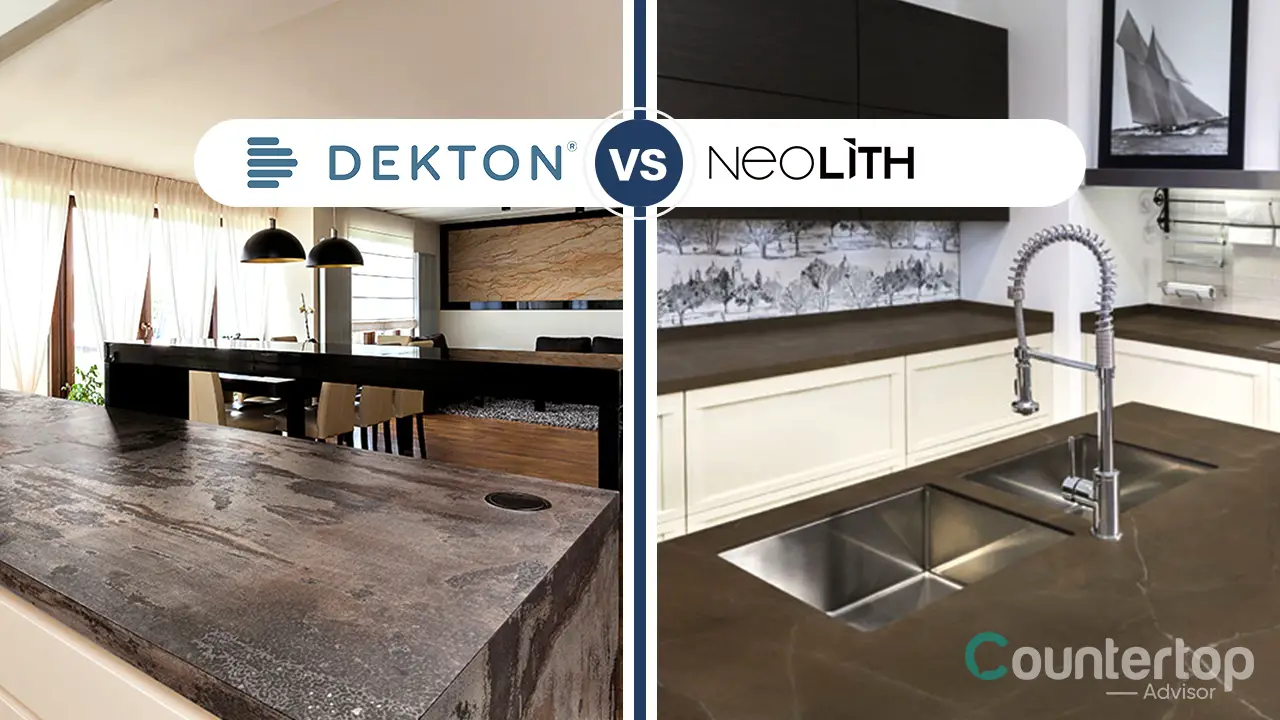
Dekton and Neolith are the two leading ultra-compact (sintered stone) surface brands, and they are far more similar than they are different. Both are made without polymer resin, both are heat-proof, acid-immune, UV-stable, non-porous, and scratch-resistant at Mohs 7-8+. Installed costs are nearly identical ($55-$115/sq ft for Dekton; $60-$105/sq ft for Neolith). After 10 years working with both, here’s the honest comparison: where each has a real edge, and how to choose between two excellent materials.
Dekton vs. Neolith at a Glance
| Factor | Dekton | Neolith |
|---|---|---|
| Maker | Cosentino (Spain) | TheSize Surfaces (Spain) |
| Composition | 20+ minerals; resin-free | Natural clays + minerals; resin-free |
| Thickness range | 8–30 mm | 3–20 mm (3mm specialty) |
| Slab format | Larger formats available | Large + ultra-thin options |
| Cost installed / sq ft | $55–$115 | $60–$105 |
| Outdoor / UV | Excellent | Excellent (slight edge) |
| Dealer network in US | Extensive (Cosentino) | Smaller |
What Ultra-Compact (Sintered Stone) Surfaces Actually Are
Both Dekton and Neolith are sintered stone — ultra-compact surfaces manufactured by pressing natural mineral particles (clays, feldspar, silica, glass) at high pressure and firing them at temperatures over 2,000°F. The process compresses the material to near-zero porosity and fuses the particles into a dense, hard slab. Critically, sintered stone contains no polymer resin, which is the heat-vulnerable component in engineered quartz. That single fact gives sintered stone its remarkable heat, UV, and chemical resistance — better than quartz, comparable to or better than natural granite.
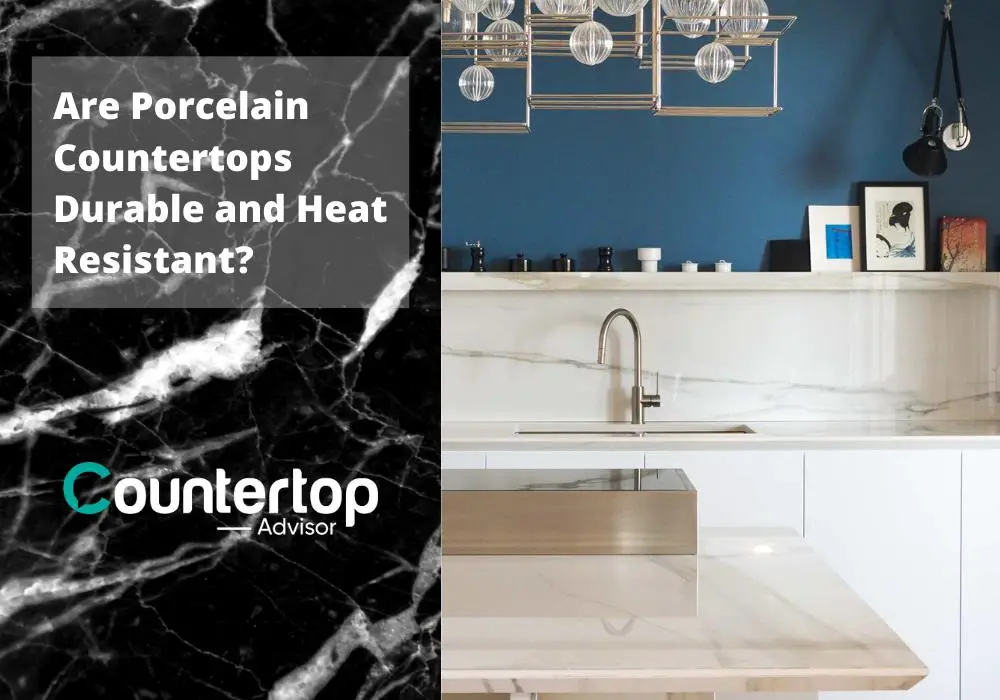
For a broader look at this category, see my porcelain countertops durability guide — sintered stone is often called porcelain or ultra-compact and shares the same fundamental performance.
What Dekton Does Best
Dekton is made by Cosentino, the large Spanish parent company also behind Silestone quartz. Practically, that scale matters: Dekton has the larger dealer and fabricator network in the United States, which means easier sourcing, more fabricators familiar with the material, and better warranty service in most markets. Dekton’s thickness range goes thicker (up to 30 mm), useful for waterfall edges and dramatic mitered profiles. Cosentino backs Dekton with a 25-year residential warranty.
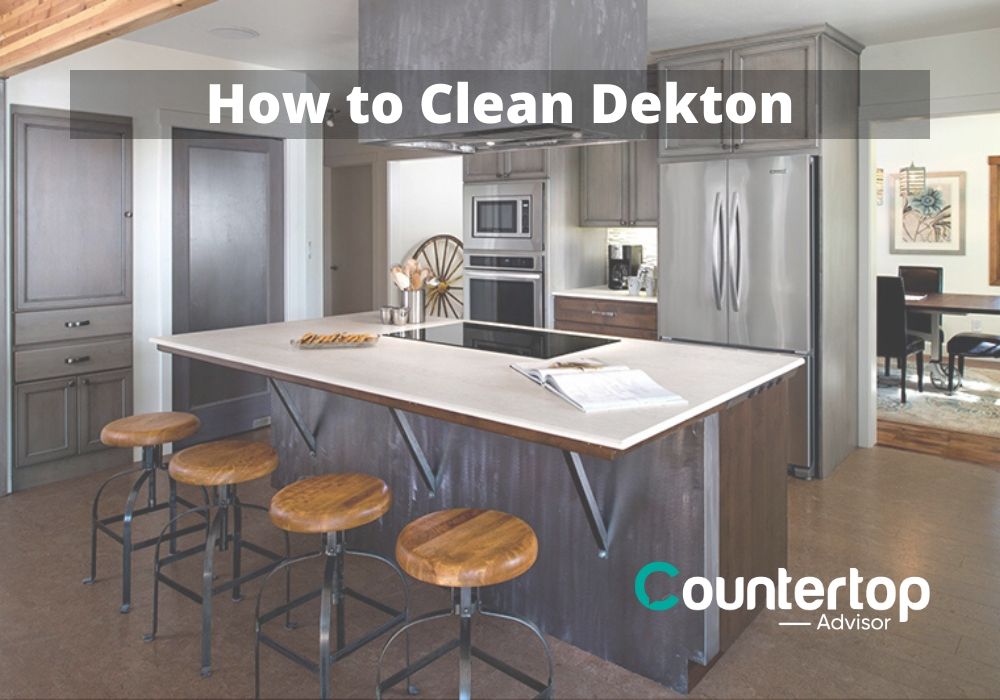
I’ve used a Dekton “Soke” desk for years now — see my Dekton cleaning guide for daily care.
What Neolith Does Best
Neolith is made by TheSize Surfaces, also Spanish, and was the pioneer of the sintered stone category. Neolith’s advantages are at the specialty ends: it offers an ultra-thin 3 mm option (used for backsplash overlays, wall cladding, and lightweight applications where Dekton’s minimum 8 mm is too thick), and it has a slight edge in outdoor and UV-exposure performance — for outdoor kitchens, pool surrounds, and exterior facades, Neolith is often spec’d over Dekton specifically for its freeze-thaw and UV resistance. Neolith’s dealer network is smaller than Dekton’s in most US markets, so availability can be a real factor.
Performance: Effectively a Tie
For routine kitchen use, you will not notice a performance difference between a Dekton and a Neolith countertop. Both are:
- Heat-proof — place a hot pan directly without concern (still use a trivet for thermal-shock caution and burn safety).
- Acid-immune — lemon, wine, vinegar do nothing.
- Non-porous — never need sealing.
- Scratch-resistant at Mohs 7-8+ — harder than granite.
- UV-stable — safe for outdoor use (Neolith slightly preferred outdoors).
- Chemically resistant — safe from most household cleaners.
Pros and Cons of Sintered Stone (Both Brands)
Pros: the strongest combination of heat, scratch, stain, UV, and chemical resistance available; no sealing ever; available in convincing marble, concrete, and wood looks; suitable indoor and outdoor; food-safe with no resin off-gassing.
Cons: harder to fabricate than granite or quartz — not every shop handles it well, and fewer fabricators means longer lead times and sometimes higher labor cost; can chip at exposed edges from heavy impact (the hardness is also slight brittleness); pattern doesn’t always run through the full thickness, so an exposed mitered edge may not match the surface; less name recognition with home buyers than granite or quartz.
Cost: Nearly Identical
Installed pricing overlaps significantly:
- Dekton: $55-$115/sq ft installed
- Neolith: $60-$105/sq ft installed
The differences are small enough that the specific color, thickness, fabrication complexity, and your local fabricator’s rates matter more than the brand. Get quotes for both from the same fabricator and compare the actual numbers for the actual designs you want.
Which Should You Choose?
Choose Dekton if: you live in a market with a strong Cosentino dealer network (most US metros), you want the longest thickness range for dramatic edges, or you want the Cosentino warranty and service backing.
Choose Neolith if: you have a specialty application that benefits from the 3 mm ultra-thin option (backsplash overlay, wall cladding), you’re building a high-UV outdoor kitchen where its slight UV edge matters, or your local market has good Neolith fabricator coverage.
For most homeowners, the brand choice comes down to what your fabricator carries. The performance gap is small enough that working with a fabricator experienced in the specific material is the bigger factor in install quality.
Care for Either Brand
Identical and easy: warm water with a small amount of pH-neutral dish soap, microfiber cloth, rinse and buff dry. No sealing — ever. Avoid abrasive scrubbers, harsh acidic cleaners as a routine product (occasional use is fine), and any wax-based polish. See my Dekton cleaning guide, which applies essentially identically to Neolith.
Frequently Asked Questions
Is Dekton or Neolith better?
Neither is meaningfully better for routine kitchen use — both are excellent sintered-stone surfaces with effectively identical performance. Dekton has the larger US dealer network and thicker maximum slab. Neolith has the 3 mm ultra-thin specialty option and a slight UV-resistance edge for outdoor use. Choose based on availability, specific application, and your fabricator’s experience.
How much do Dekton and Neolith cost?
Dekton runs $55-$115 per square foot installed; Neolith $60-$105. The overlap is significant — the specific color, thickness, fabrication complexity, and your local installer’s rates affect the final number more than the brand choice.
Are Dekton and Neolith the same thing?
Same category, different brands. Both are sintered stone (also called ultra-compact surfaces) made from natural minerals fired at extreme temperatures without polymer resin. The fundamental material is the same; the brands differ in manufacturing process, color libraries, thickness ranges, and dealer networks.
Do sintered stone surfaces need sealing?
No — both Dekton and Neolith are non-porous and never need sealing, one of the main advantages of sintered stone over natural stone.
Can you put a hot pan on Dekton or Neolith?
Yes — both are heat-proof. Without polymer resin, neither material can scorch or discolor from heat the way quartz does. A trivet is still smart for thermal-shock caution and burn safety, but the surface itself is unbothered.