Granite countertops have eight real advantages and six real drawbacks — the kind a homeowner needs to weigh before signing a $4,000 contract, not after. Granite scores a 7 on the Mohs hardness scale, modern sealers protect it for 10+ years per application, and installed prices run roughly $35 to $175 per square foot depending on the slab. After ten years in the countertop business — starting as an installer helper, working up to lead installer, then founding my own kitchen-and-bath company — I’ve installed and serviced granite in hundreds of homes. This guide gives you the honest version: what granite does well, where it falls short, what it actually looks like at the ten-year mark, and the three situations where I’d tell a customer to walk away from it.
The 8 Real Pros of Granite Countertops
These are the advantages I’ve watched hold up across a decade of installs and follow-up service calls — not marketing claims, but observable outcomes.
1. Every Slab Is Genuinely One of a Kind
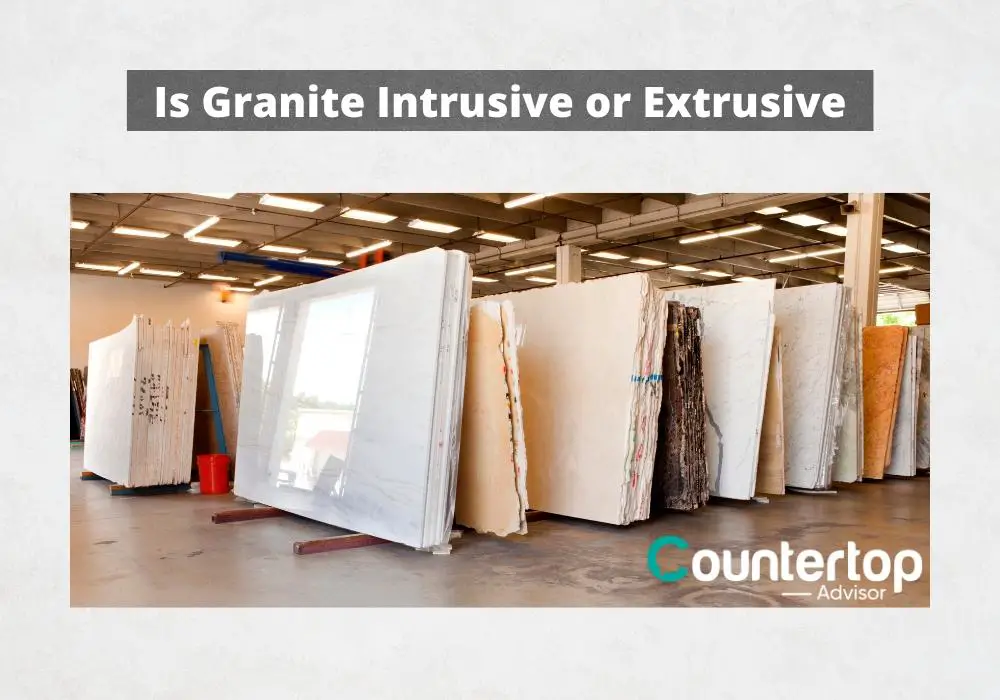
Granite is cut from quarried stone, so the veining, color shifts, and crystal patterns on your countertop will not appear on anyone else’s. On a tour of AGM Imports in Atlanta a few years ago, I walked past hundreds of slabs and no two were the same — even within the same color family. Engineered quartz can’t reproduce that. If you want a kitchen that doesn’t look like every other builder-grade install, this matters.
2. Genuinely Heat-Resistant — With One Caveat
Granite handles direct heat better than almost any other countertop. You can set a 400°F cast-iron pan straight from the oven on it without scorching. The one caveat is thermal shock: repeatedly placing a hot pan on the same cold spot can — rarely — cause a hairline crack. In ten years I saw it twice, both at sink cutouts where the stone was already thin. A trivet on appliances that run hot for hours (slow cookers, instant pots) is cheap insurance.
3. Mohs-7 Hardness Means It Doesn’t Scratch in Normal Use
On the Mohs hardness scale, granite is a 7. Quartz is a 7. Marble is a 3 or 4. Steel kitchen knives are about a 5.5. That means your knives can’t scratch granite — but they will dull themselves against it, and you’ll see a faint metal residue if you cut directly on the stone. Use a cutting board. Granite stays scratch-free; your knives stay sharp.
4. It Genuinely Adds Resale Value
The National Association of Home Builders’ 2024 What Home Buyers Really Want study found that 73% of buyers rated granite or natural stone countertops as either essential/must-have or desirable in their next home. That preference is higher among Millennials (62% prefer it specifically) and Gen X (64%) than among Boomers and seniors — which matters because Millennials are now the largest home-buying cohort. More on granite’s effect on resale value here.
5. Lifespan Is Measured in Decades, Not Years
Properly installed and sealed, granite lasts 25 to 50+ years. I’ve been back to ten-year-old installs that look identical to install day. The cabinets underneath usually fail first. Compare that to laminate (10–20 years), butcher block (10–15 with refinishing), or solid surface (15–25). On a cost-per-year basis, granite is rarely the most expensive option.
6. Plays Well With Undermount Sinks, Waterfall Edges, and Premium Details
Because granite is cut to fit, it works with custom installs the way pre-fab surfaces can’t: undermount sinks where crumbs sweep cleanly into the bowl, waterfall edges that run down the side of an island, integrated drainboards, and any of the standard edge profiles (bullnose, ogee, beveled, mitered). These details are what separate a $40,000 kitchen from a $20,000 one, and granite supports all of them.
7. It Handles Real Kitchen Abuse
Daily cooking generates spills, dropped utensils, hot oil splatters, acidic juices, and the occasional dropped wine glass. With current sealers and a basic cleaning routine — pH-neutral cleaner, warm water, dry cloth — granite shrugs all of it off. My cleaning guide walks through the right products and the wrong ones; the short version is: no vinegar, no lemon, no abrasive scouring powders.
8. Modern Sealers Have Closed the Maintenance Gap
The “you have to seal granite every year” advice is leftover from 1990s sealer chemistry. Today’s penetrating impregnating sealers — the kind I cover in my sealer comparison — last 10 to 15 years per application on most stones. Some dense dark granites barely need sealing at all. You can test yours in 30 seconds by sprinkling water on the surface and watching whether it beads up or darkens the stone within five minutes. If it beads, you’re protected; if it darkens, time to reseal.
The 6 Real Cons of Granite Countertops
Every material has tradeoffs. These are the ones I had to walk customers through honestly before they signed a contract.
1. It’s Porous — and the Sealer Is What Stands Between You and Stains
Granite is naturally porous. An unsealed countertop will absorb oil, wine, coffee, and tomato juice within minutes, and those stains can be permanent. With a current-generation sealer applied correctly at install, you have years of protection — but if you skip the maintenance reseal and don’t notice the failure, you can end up with a permanent oil ring under your cooking-oil bottle. The Natural Stone Institute’s care guidance covers the chemistry; my full sealing walkthrough is here.
2. Visible Seams in Larger or L-Shaped Kitchens
Granite slabs are typically about 9 feet by 5 feet. If your run of countertop exceeds that, or you have an L or U-shaped layout, you’ll have seams — usually two or three in a standard kitchen. A good fabricator color-matches the epoxy and lays the seam to about 1/8 inch thick, where it’s barely visible. A bad one leaves a dark line you’ll see forever. Ask to see the fabricator’s previous seam work in person before you sign.
3. It’s Heavy — and That Limits What Cabinets Can Hold It
Granite weighs roughly 18–20 pounds per square foot in a 3 cm thickness. A typical kitchen’s worth of granite is 800 to 1,200 pounds resting on your cabinets. Stock RTA cabinets and older particle-board boxes can sag or fail under that load. On the BACA Robot saw tour I took in Michigan, the fabricators were moving slabs with vacuum hoists for exactly this reason — you can’t muscle them. If your cabinets aren’t built for the weight, you’re either reinforcing them or choosing a lighter material.
4. The Cost Range Is Wide and the Low End Isn’t Always a Bargain
Installed granite runs roughly $35 to $175 per square foot — some exotic stones cross $400. For a standard kitchen, total job cost lands between $2,500 and $5,500. The cheap end of the range is real, but the cheapest granites are also the most porous and the most prone to color variation. My list of the five cheapest granite colors covers what to expect at the low end. The middle of the range — $60 to $90 per square foot — is where granite is consistently a better buy than mid-grade quartz.
5. Chips and Cracks Happen at the Vulnerable Points
Granite is hard, not bulletproof. The two places I saw chips show up most often: the front edge of the sink cutout (people lift a heavy cast-iron pan out of the sink and clip the edge) and the corner of an overhang on an island (someone leans on it the wrong way, or a stool back hits it). Color-matched epoxy can repair both cleanly if caught early. Here’s the full breakdown on granite chips and what to do about them.
6. Within-Slab Color Variation Can Surprise You
The 3-inch sample at the showroom does not represent your actual slab. Light granites often have dramatic banding, dark veins, or contrast patches that don’t appear in samples. I had customers walk into their finished kitchen genuinely shocked — sometimes pleasantly, sometimes not — because they hadn’t looked at the actual slab before fabrication. Always visit the slab yard and tag your specific stone. This single step prevents the most common granite regret.
What Life With Granite Actually Looks Like at Year 10
This is the question most homeowners actually want answered and most articles don’t address: a decade in, what does it look like? I went back to a lot of my own installs over the years — for warranty service, additional rooms, or referrals from the original owner — and the pattern was consistent.
The countertop itself almost always looked the same. Granite that was sealed at install and cleaned with a pH-neutral product was visually indistinguishable from new. The places it showed wear, when it did, were never the field of the counter — they were the edges: a small chip near the sink, a faint scratch in the cooktop surround where someone slid a pot, a slight dullness in the area right in front of the prep zone where citrus had repeatedly sat overnight.
The most common ten-year regret wasn’t about granite itself. It was about which granite. The busy multi-color speckled patterns popular in the early 2010s — the “Tan Brown” and “Baltic Brown” tans and yellows — aged the kitchens visually faster than the stone aged physically. Customers with Absolute Black, Bianco Antico, or a leathered Caesarstone-style finish almost never wanted to swap. Customers with busy warm-speckled granites often did. The lesson: granite outlasts the design trend, so pick a pattern you’ll still like in twenty years.
When Granite Is NOT the Right Pick
I tell readers the truth I told paying customers. There are three situations where I’d recommend against granite even though I sold it for a living.
If your household uses heavy acids daily — lemon juice, vinegar, wine, tomato — on every surface. Granite handles these in normal kitchen use, but a household where the countertops are a constant prep zone for canning, fermenting, or citrus work will see sealer breakdown faster and edge etching on lighter stones. Quartz is non-porous and indifferent to acids; it wins this use case decisively. My full granite vs. quartz comparison breaks this down further.
If you’re a renter, flipping the house in under two years, or in a starter home you’ll outgrow. Granite’s resale value compounds over a long hold. On a short hold the install cost rarely pencils against laminate or mid-grade quartz, and on a flip the buyer often values the kitchen’s overall look more than the specific countertop material. Save the budget.
If you want a light, uniform, low-variation look. Engineered quartz delivers that aesthetic more consistently than natural granite ever will. Some granites approximate it (Bianco Romano, Colonial White), but a small showroom sample will not predict what your specific slab looks like, and the visible movement — which is granite’s selling point — is exactly what a uniform-look customer doesn’t want.
Granite vs. Quartz, Marble, and Quartzite — Quick Comparison
| Factor | Granite | Quartz | Marble | Quartzite |
|---|---|---|---|---|
| Heat resistance | Excellent | Fair (resin softens) | Good | Excellent |
| Scratch resistance | Excellent (Mohs 7) | Excellent (Mohs 7) | Poor (Mohs 3–4) | Excellent (Mohs 7) |
| Stain resistance | Good (sealed) | Excellent (non-porous) | Poor | Good (sealed) |
| Maintenance | Low (seal every 10–15 yrs) | Lowest | High | Low |
| Installed cost / sq ft | $35–$175 | $50–$200 | $60–$250 | $60–$200 |
| Lifespan | 25–50+ yrs | 20–30 yrs | 25–50+ yrs | 30–50+ yrs |
Full comparison reads: granite vs. quartz, granite vs. marble, and granite vs. quartzite.
The Bottom Line — Is Granite Worth It in 2026?
For a homeowner who plans to stay in the house five years or longer, cooks regularly, wants a surface that looks distinctive and resists daily abuse, and is willing to view the actual slab before fabrication — granite is one of the best countertop choices on the market. The “granite is outdated” narrative comes from the design-trend conversation around busy speckled patterns from the early 2010s, not from any deficiency in the stone itself. A modern Absolute Black, a leathered finish, or a clean white-and-gray granite reads as current as quartz and outlasts it on heat resistance and lifespan. For a short-hold renter or a low-acid-tolerance household, look at quartz instead. For a budget under $30 per square foot installed, look at laminate or solid surface and skip the natural stone tier entirely.
Frequently Asked Questions
Are granite countertops outdated in 2026?
No — granite remains the preferred countertop material for 73% of home buyers per NAHB’s 2024 report, and it’s especially preferred by Millennial and Gen X buyers. What’s outdated is a specific subset of busy multi-color speckled patterns from the early 2010s. Clean monochromatic granites, leathered finishes, and dark stones read as current as anything else on the market.
How often do granite countertops need to be sealed?
Modern penetrating sealers last 10 to 15 years on most granites, not the annual reseal that older guidance recommends. Test by sprinkling water on the counter: if it beads up, you’re sealed; if it darkens the stone within five minutes, time to reseal. Dense dark stones may need sealing only once or twice in the countertop’s lifetime.
Can granite countertops crack?
Yes, but rarely in normal use. Cracks usually originate at structural weak points — thin areas near sink cutouts, overhangs without proper support, or pre-existing fissures in the slab. Thermal shock from repeated extreme temperature changes can cause hairlines. Most chips and cracks I saw in ten years of service calls came from impact damage (a cast-iron pan corner, a heavy stool back) rather than the stone failing on its own.
Are granite countertops worth the money?
For homeowners who plan to stay five-plus years and cook regularly, yes. On a cost-per-year basis — counting a 25 to 50 year lifespan — granite is often cheaper than mid-grade quartz or replaced laminate. The resale-value support from NAHB data adds to the math. The “worth it” answer flips for short holds, rental properties, and households with acid-heavy daily prep, where quartz or laminate are better fits.
One common granite worry deserves its own answer: are granite countertops radioactive? The short version — very slightly, and not in any way that matters for your health, per EPA data and the largest radon study ever conducted.
Wondering about granite’s origins? My guide on where granite countertops come from traces the full path from Brazilian and Indian quarries to the slab in your kitchen.
Comparing granite against other solid surfaces? My granite vs concrete vs quartz comparison puts all three side by side on cost, heat, and maintenance.
Granite needs periodic sealing — and the product matters. See my best granite sealer guide for 8 ranked penetrating sealers from a 10-year installer.
Heat resistance is one of granite’s real strengths. See are granite countertops heat resistant — it tolerates roughly 1,200°F.
Weighing granite against quartzite specifically? See my granite vs quartzite countertops comparison for the head-to-head on hardness, cost, and maintenance.