Granite countertops typically last 25 to 50 years in normal residential use — longer than almost any other countertop material on the market. Properly installed, sealed, and maintained granite has been documented lasting 100+ years (granite has been used in buildings for thousands of years), but the realistic kitchen-lifespan range that matters for a homeowner planning a remodel is 25 to 50. After 10 years installing granite and returning to many of those installs for service calls, I’ll explain what determines whether your specific granite hits the high or low end of that range, the three things that shorten lifespan the most, and how granite stacks up against other countertop materials on a years-of-service basis.
The Honest Lifespan Range
Industry sources put the typical residential granite countertop lifespan between 15 and 100 years. That’s a huge range and it’s accurate — granite is one of the few materials where the user’s care habits matter as much as the material itself. The realistic breakdown:
- 15-25 years — The low end. Granite in households that skip sealing entirely, use acidic cleaners daily, or have repeated structural issues (cabinet sag, water damage underneath, severe impacts).
- 25-50 years — The realistic middle, where most homeowners land. Routine sealing every 5-15 years, normal cleaning, no major structural problems.
- 50-100+ years — The high end. Possible but uncommon in residential kitchens because the rest of the kitchen (cabinets, plumbing, flooring) usually fails first. Granite in commercial or institutional installations has documented 100+ year service lives.
For comparison: quartz lasts roughly 20-30 years; marble 25-50+ (with patina aging); quartzite 30-50+; laminate 10-20; butcher block 10-15 with refinishing; epoxy 10+. See my granite pros and cons guide for the broader comparison.
Why Granite Lasts So Long: The Mineral Science
Granite is an igneous rock formed under extreme heat and pressure deep in the Earth’s crust. The result is one of the hardest, densest natural materials a builder has ever installed in a home. On the Mohs hardness scale, granite rates 6 to 7, compared to:
- Steel kitchen knives: 5.5 (your knives can’t scratch granite — they dull against it)
- Marble: 3 (granite is more than twice as scratch-resistant)
- Quartz: 7 (engineered, similar hardness)
- Dolomite: 3.5-4
- Diamond: 10 (the only common material that will scratch granite)
This hardness, combined with granite’s natural density, means everyday kitchen abuse — hot pans, dropped utensils, repeated cleaning — doesn’t materially shorten the surface’s life. Granite installed in 2026 will look essentially identical in 2046 in most homes.
The Three Things That Shorten Granite Lifespan
1. Structural Problems Underneath
This is the #1 cause of premature granite replacement I’ve seen. The countertop is fine; the support failed. Common culprits: cabinet bases sagging under the weight of 800-1,200 pounds of stone, water damage from a chronic leak that softens the cabinet frame, or DIY removal of a wall that previously supported part of the run. Granite doesn’t fail; it cracks at the unsupported point. Inspect cabinet supports during install and address any plumbing leaks immediately.
2. Skipped Sealing + Acidic Damage
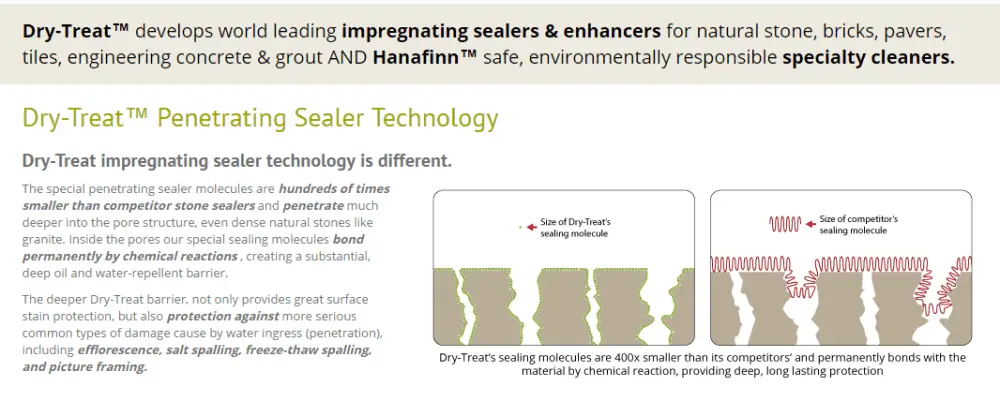
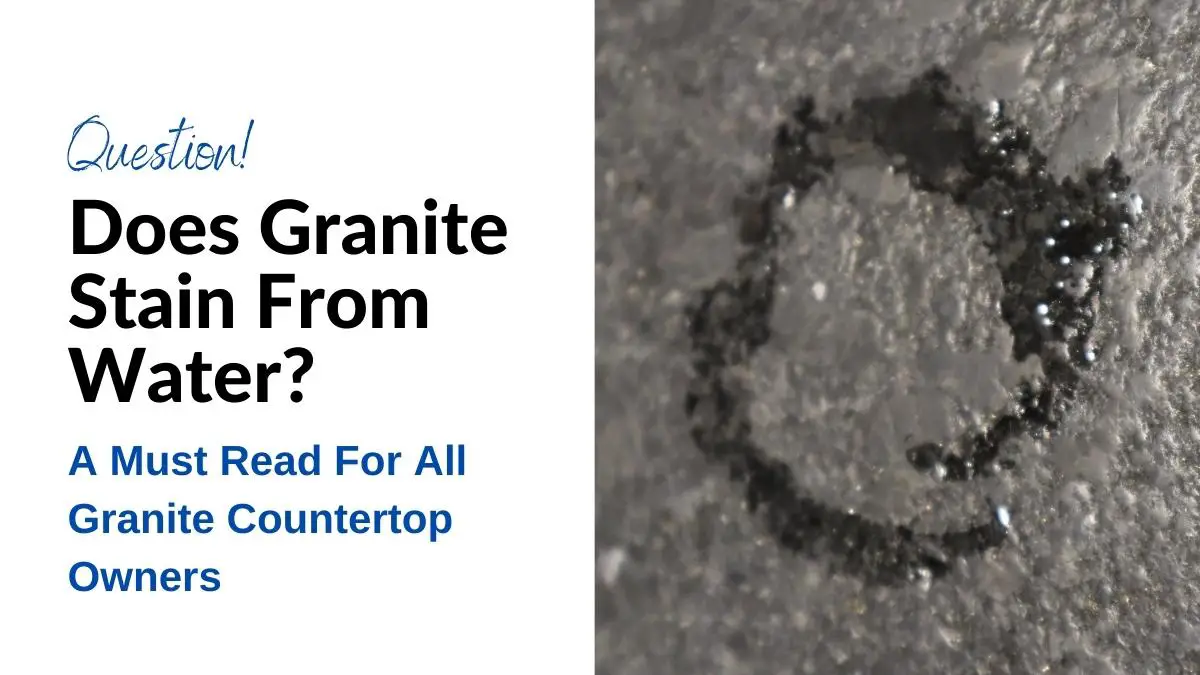
Granite is harder than marble but still porous. An unsealed countertop with daily acidic exposure (lemon juice, vinegar, wine, tomato) will develop dull etched spots and absorbed stains that gradually compromise the surface. Modern sealers last 10-15 years per application — not annually as older guidance suggests — but the testing matters. My sealing guide covers the right products and the water-drop test for when to reseal.
3. Impact Damage at Vulnerable Points
Granite chips and cracks happen at thin, unsupported areas: front edges of sink cutouts, overhangs on islands, corners. A dropped cast-iron pan on an island corner can crack the stone; sometimes it can be repaired with color-matched epoxy, sometimes the section needs replacement. Cumulative damage at these points is the leading cause of “I need new countertops” calls from people whose granite is 15-25 years old. More on granite chips and how to repair them.
What Maintenance Actually Extends Granite’s Life
Sealing on the Right Schedule
Test with water beads every 6 months. Reseal when the test fails (water flattens or darkens the stone within 5 minutes). Most modern penetrating sealers last 10-15 years — you don’t need to seal annually unless the test tells you to.
pH-Neutral Daily Cleaning
Use mild dish soap and warm water, or a pH-neutral stone cleaner. Avoid vinegar, lemon juice, ammonia, bleach, abrasive scouring powders, and Magic Eraser pads. For full daily routine, see my granite cleaning guide.
Trivets for Sustained Heat
Granite handles brief contact with hot pans — you can pull a 400°F skillet straight from the oven onto the counter. But sustained heat for hours (slow cookers, instant pots, hot serving trays at parties) can cause thermal shock cracks at thin areas. Use a trivet for anything that stays hot for over 30 minutes.
Cutting Boards Always
You can cut on granite without scratching the stone, but you’ll dull your knives quickly and the cutting action wears down the sealer locally. A cutting board protects both the knife edge and the countertop sealer.
Lifespan by Material: A Quick Comparison
| Material | Typical Lifespan | Key Maintenance |
|---|---|---|
| Granite | 25–50+ yrs | Sealing every 10-15 yrs |
| Quartz | 20–30 yrs | No sealing needed |
| Quartzite | 30–50+ yrs | Periodic sealing |
| Marble | 25–50 yrs | Sealing + etch tolerance |
| Dolomite | 20–40 yrs | Sealing every 6-12 mo |
| Dekton / Porcelain | 25–50+ yrs | No sealing needed |
| Solid Surface (Corian) | 15–25 yrs | Periodic refinishing |
| Butcher Block | 10–15 yrs | Re-oiling + sanding |
| Laminate | 10–20 yrs | Just clean |
| Epoxy | 10+ yrs | No special needs |
On a cost-per-year basis, granite is usually the cheapest premium countertop material. $4,000 installed over 30 years works out to about $130/year — less than most mid-grade quartz.
Signs Your Granite Needs Attention (Not Replacement)
The vast majority of “do I need new countertops?” calls turn out to be maintenance issues, not lifespan issues. Watch for:
- Water no longer beads on the surface — sealer is failing; reseal, don’t replace.
- Dull spots where citrus or vinegar was spilled — etching, polishable in most cases.
- Small chips at sink edges or corners — color-matched epoxy repair, not full replacement.
- Hairline cracks that don’t widen — stabilize with epoxy; monitor.
- Yellowing or darkening of the surface in localized areas — usually absorbed oil stains; poultice can pull them out.
The replacement-level issues are: cracks that grow week over week, structural separation from the cabinets, or large-area damage from impact. Most everything else is a service call, not a remodel.
Frequently Asked Questions
How long do granite countertops last compared to quartz?
Granite: 25-50+ years. Quartz: 20-30 years. Granite outlasts quartz on the long end because quartz’s polymer-resin binder eventually breaks down over many decades, while granite’s mineral structure is geologically stable. Quartz wins on maintenance simplicity (no sealing) but loses on long-term durability. My granite vs quartz comparison covers the full tradeoffs.
Do you ever need to replace granite countertops?
Rarely from material failure. Most “replacement” jobs are driven by aesthetic taste shifts (the homeowner wants a different look), structural problems with the cabinets underneath, or cumulative impact damage at vulnerable edges. The granite itself almost always outlasts the kitchen design around it.
What ruins granite countertops?
The three killers, in order: structural failure underneath (sagging cabinets, water damage), repeated impact damage at thin edges and sink cutouts, and skipping sealing combined with daily acidic exposure. Treat all three and granite is essentially permanent.
Does sealing granite really extend its life?
Sealing doesn’t change the structural lifespan of granite — the mineral matrix is what determines that. Sealing extends the cosmetic lifespan: the surface stays stain-free and visually intact for decades longer with proper sealing. Unsealed granite still lasts mechanically, but stains, etches, and bacterial absorption can make it look 30 years old in 10. My sealing walkthrough has the full protocol.
How long has granite been used as a building material?
Thousands of years. Ancient Egyptian, Indian, and Roman builders used granite for monuments, statues, and structures — many of which still stand today after 2,000+ years of weathering. The granite slab in your kitchen is the same material as the obelisks at Karnak. The countertop application is comparatively recent; granite’s durability as a structural material is established beyond question.
Impact damage at vulnerable points affects granite lifespan. See do granite countertops scratch or chip easily for exactly where chips happen and how to repair them.